Recognizing Robotic Vision: Why It Is Essential for Modern Automation Processes
Robotic vision stands for a considerable improvement in automation innovation. It permits devices to analyze aesthetic information, boosting their capacity to do jobs with precision. This capability is changing industries by enhancing effectiveness and lowering human mistake. The integration of robot vision likewise postures difficulties. Comprehending its implications is vital for businesses intending to continue to be affordable. What factors affect its fostering, and just how can business leverage this modern technology properly?
The Basics of Robotic Vision Innovation
Robotic vision technology acts as the backbone of automation in numerous industries, allowing makers to perceive and interpret their environments. This technology integrates innovative imaging systems, such as cams and sensors, with innovative algorithms that process aesthetic data. By recording images and analyzing them in real-time, robot vision permits machines to recognize things, assess their positions, and make notified choices based on visual input.Key elements of robotic vision include photo handling strategies, device discovering versions, and depth perception systems, which function jointly to enhance a robot's understanding of its atmosphere. Calibration and environmental versatility are also crucial, making certain that systems can operate successfully under diverse conditions. This foundational innovation not only improves operational effectiveness however additionally boosts safety and security by enabling robotics to navigate intricate settings while minimizing errors and crashes. As sectors remain to develop, the value of durable robotic vision innovation stays paramount in driving development and performance.
Secret Applications of Robotic Vision in Sector
The application of robotic vision modern technology spans a large range of markets, significantly improving operational capabilities and performance. In manufacturing, robotic vision systems enable specific inspection and quality assurance, guaranteeing items satisfy strict criteria. In the vehicle market, these systems help in tasks such as element assembly and defect detection, improving manufacturing lines.In logistics, robot vision plays a crucial function in automated material handling, enabling robots to browse intricate atmospheres and accurately determine products for arranging and packing. The food market makes use of robotic vision for arranging and product packaging, making certain uniformity and compliance with wellness regulations.Additionally, in healthcare, robot vision help in medical procedures and diagnostics, giving boosted accuracy and lowering risks. On the whole, the varied applications of robot vision modern technology add to raised performance and development across several fields, showing its relevance in contemporary commercial processes.
Advantages of Executing Robotic Vision Systems
Carrying out robot vision systems supplies countless benefits that significantly improve operational performance and accuracy across different sectors. These systems make it possible for equipments to view and interpret their environments, resulting in boosted decision-making processes. Enhanced accuracy in jobs such as quality assurance and sorting minimizes human mistake, making sure consistent item standards.Moreover, robot vision systems can operate continuously, raising performance while minimizing labor expenses. They can performing elaborate jobs at broadband, allowing for faster manufacturing cycles. The integration of advanced imaging modern technologies promotes real-time data collection, empowering business to examine performance metrics and streamline operations.Additionally, the versatility of robot vision systems permits them to be used in varied applications, from auto production line to food product packaging. By giving dependable and exact automation solutions, these systems aid companies preserve a competitive side in a progressively automated marketplace, highlighting their crucial function in modern-day manufacturing atmospheres.
Obstacles and Limitations of Robotic Vision
While robot vision systems offer considerable benefits, they also encounter numerous obstacles and constraints that can hinder their efficiency. One primary difficulty is the irregularity in lighting conditions, which can greatly influence picture top quality and lead to misinterpretation of aesthetic information. In addition, the complexity of real-world environments, loaded with vibrant items and differing textures, positions difficulties in object recognition and tracking.Another restriction is the dependency on high-quality sensors and advanced formulas, which can be costly and call for extensive calibration. Robotic vision systems may battle with deepness understanding and three-dimensional understanding, specifically in chaotic settings.Finally, the integration of robotic vision with existing automation systems can be intricate, requiring detailed training and programming. These difficulties emphasize the value of continuous r & d to improve the capacities and reliability of robotic vision technologies in numerous applications
The Future of Robotic Vision in Automation
The future of robot vision in automation assures substantial advancements in enhanced object recognition and boosted navigation systems. As technology develops, these developments will allow robotics to interact extra efficiently with their environments and execute complicated jobs with higher precision. This progression is anticipated to redefine operational capabilities across various sectors.
Improved Object Acknowledgment
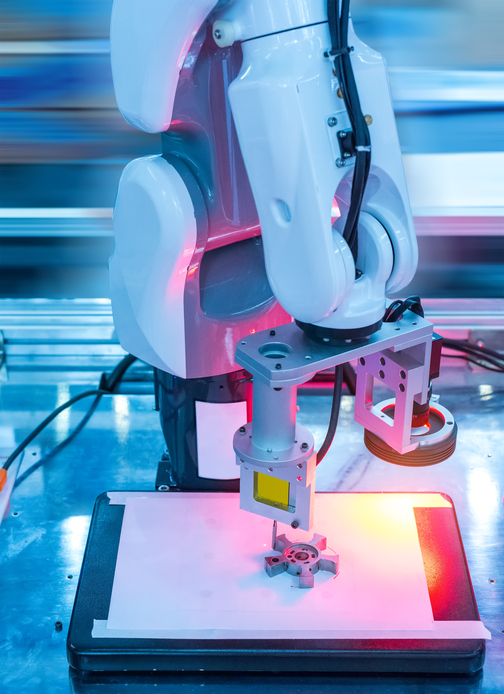

Enhanced object acknowledgment stands at the center of developments in robot vision, changing how automation systems perceive and interact with their atmospheres. This technology i was reading this allows robotics to recognize and classify a substantial variety of items with exceptional accuracy, facilitating a lot more reliable operations throughout various industries. Using deep knowing formulas and progressed imaging strategies, systems can acknowledge items in vibrant setups, adjusting to modifications in illumination, angles, and occlusions. Because of this, improved object acknowledgment not only streamlines procedures such as sorting, choosing, and quality assurance but additionally reduces errors and raises efficiency. The constant development in this field assures to additionally incorporate robotics right into everyday jobs, substantially enhancing functional performance and leading the way for smarter automation remedies.
Better Navigation Solutions
Advancements in navigation systems are poised to change robotic vision in automation, allowing robotics to traverse complicated atmospheres with unmatched accuracy. By integrating innovative sensing units, expert system, and artificial intelligence formulas, these systems help with real-time mapping and localization. This allows robots to adapt to dynamic directory surroundings, staying clear of barriers and enhancing paths efficiently. Enhanced navigating capabilities empower robotics to execute tasks in various settings, from stockrooms to medical care facilities, enhancing productivity and security. Furthermore, the continual evolution of these technologies guarantees to reduce operational prices by decreasing mistakes and downtime. As the need for automation boosts, enhanced navigating systems will certainly play a crucial function in shaping the future of robot vision, guaranteeing smooth integration into day-to-day procedures.
Incorporating Robotic Vision With Various Other Technologies
Integrating robot vision with other innovations considerably boosts automation abilities across different industries. By combining sophisticated imaging systems with expert system, artificial intelligence, and Internet of Things (IoT) connectivity, organizations can attain extraordinary performance and precision in their operations. Robotic vision can be utilized in conjunction with equipment discovering formulas to improve item recognition and decision-making processes, enabling robotics to adapt to vibrant environments.Additionally, when incorporated with IoT devices, robot vision systems can assist in real-time information evaluation and comments loopholes, maximizing workflows and minimizing downtime. This synergy enables for specific quality assurance and anticipating upkeep, eventually lessening operational costs. Assimilation with collaborative robotics (cobots) enhances human-robot communication, making automation safer and a lot more reliable in atmospheres where human oversight is required. The convergence of robot vision with corresponding modern technologies is critical for driving innovation and productivity in modern-day automation procedures.
Frequently Asked Concerns
Just How Does Robotic Vision Differ From Human Vision?

What Types of Cameras Are Made Use Of in Robotic Vision?
Different kinds of cameras are used in robot vision, including CCD, CMOS, and depth cams. robotic vision. These electronic cameras make it possible for robots to view their atmosphere, assisting in jobs such as things acknowledgment, navigating, and high quality examination in automated systems
Can Robotic Vision Equipments Gain From Experience?
Robotic vision systems can without a doubt gain from experience. Via innovative formulas and artificial intelligence methods, they adapt and boost their aesthetic acknowledgment capabilities, boosting their performance in different jobs gradually as they refine brand-new data.
How Do Illumination Conditions Influence Robotic Vision Performance?
Lighting conditions greatly influence robot vision efficiency by affecting photo contrast, color accuracy, and object discovery abilities. Insufficient or too much light can result in misconception of aesthetic data, affecting the overall efficiency of robot systems.
Exist Safety And Security Issues With Utilizing Robotic Vision?
Security interest in robot vision include possible false impressions of surroundings, causing accidents. Inadequate sensing unit calibration or ecological changes can aggravate these risks, necessitating extensive screening and adherence to safety criteria for reliable imp source application.
Comments on “A comparison of leading robotic vision technologies in 2025”